
The Zero Theorem – “Zero must equal 100%”[1]. AI, Totalitarianism, and The Voluntary Path to Self-Enslavement: A Theological Perspective
The question of what philosophy and theology have to contribute to the development of AI has been a matter of scholarly debates. While AI entered common human lives almost abruptly and immediately, human adaptability proved impeccable: AI became a part of life as another commodity. In her contribution, Milja Radovic explores the possible downsides of AI from a theological point of view and asks the question: Is AI really for the benefit of humanity?


A wicked perspective on Butler’s „Frames of War. When Is Life Grievable?“
The new contribution of Tristan Genoske engages with the movie Wicked, in particular with the often overlooked song „No one mourns the wicked“. Yet its message is among the strongest. Was a life that no one mourned ever lived? Are there mechanisms of power that prevent us from mourning the dead? Who is wicked in our society and are we grieving them? Starting with Judith Butler’s text „Frames of War. When Is Life Grievable?“, the contribution tries to answer to these questions examining what is happening in Oz.

Überlegungen zu Hegels „Der Geist des Judentums“
Viel wird über das Judentum und seine Rolle in der Gesellschaft diskutiert. Auch die großen Philosophen haben sich zu ihrer Zeit mit dem Judentum beschäftigt. In ihrem Artikel setzt sich Elin Samson mit Georg Wilhelm Friedrich Hegels Fragment über den Geist des Judentums auseinander und blickt dabei kritisch auf einige Äußerungen über das vermeintliche Wesen des Judentums.

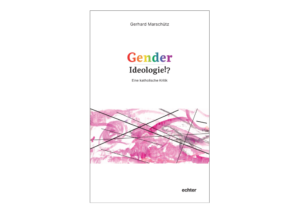
Menschenwürde auf katholisch
In der im April 2024 veröffentlichten Erklärung „Dignitas infinita“ wurde die aktuelle Position der Katholischen Kirche zum Thema Menschenwürde dargelegt. Gerhard Marschütz zeigt in seinem Beitrag, dass dieser Auffassung ein essenzialistisch-naturalistisches Menschenbild zugrunde liegt, das – insbesondere in Bezug auf die Rechte von LGBTIQ-Personen – einem modernen Verständnis von Menschenrechten nicht gerecht werden kann.

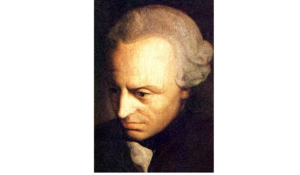
Immanuel Kant und die protestantische Theologie. Eine Erinnerung anlässlich seines 300. Geburtstags
Immanuel Kant hat wie kaum ein anderer Denker ein modernes Gottesverständnis geprägt. Anlässlich des 300. Geburtstags des Königsberger Philosophen erinnert Christian Danz in seinem Beitrag an die grundlegende Bedeutung des kantschen Werks für die protestantische Theologie.

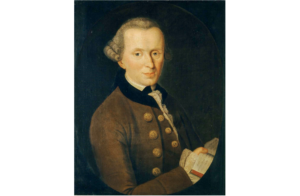
Kant über „Religion und Aufklärung“
Zum 300. Geburtstag von Immanuel Kant stellt Rudolf Langthaler die kantsche Religionsphilosophie vor und macht deutlich, dass Kants Aufruf zur Mündigkeit auch heute noch nichts von seiner Aktualität verloren hat.
Dieser Beitrag ist auch auf der Website der österreichischen Tageszeitung derstandard erschienen.

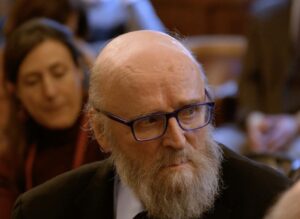
“What do we want?” –– “The future of theology”. “When do we want it?” ––– “Now…”
Beyond the Analogical Imagination: The Theological and Cultural Vision of David Tracy is a recently published collection of essays that explore and develop the vision of the American theologian David Tracy. In his contribution, Barnabas Palfrey, one of the volumes editors, introduces some of the major themes of Tracy’s work that tries to offer new ways of thinking to respond to the challenges that both society and theology are facing today.

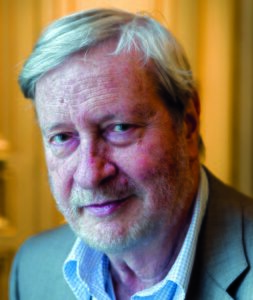
Anarchie der Freundschaft. Dank an Gianni Vattimo
Der italienische Philosoph Gianni Vattimo ist am 19. September 2023 im Alter von 87 Jahren verstorben. Mit ihm ist eine wichtige Stimme des philosophischen Diskurses der Gegenwart verstummt. Aber verstummt ein Denker, der seine gesamte Philosophie als freundschaftlichen Dialog verstanden hat, mit seinem Tod wirklich? Ein Nachruf und Dank an Vattimo, verfasst von Jakob Deibl.

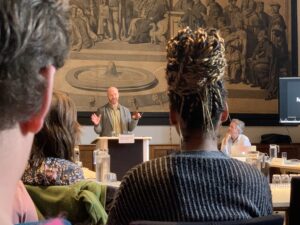
“Politics of Dis-enclosure: Religion – Community – Violence”. A Conference for the Decolonial Fugitivity of the Passer-by
What is the relation between religion, violence and community? How is it possible to think of being in common from a decolonial perspective? Some of these questions have been dealt during the conference „Politics of Dis-Enclosure. Religion – Community – Violence“ that took place from 26–27 April 2023. In this article Marco Fiorletta and Marian Weingartshofer give a small insight about it.

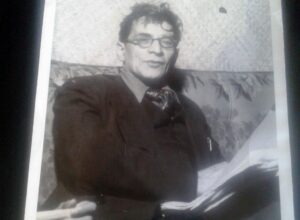
Der Abwesende: Zu Leben und Werk Jean Wahls (1888–1974)
Die französische Philosophie des 20. Jahrhunderts hat tiefe Spuren in Theologie, Philosophie und den Sozialwissenschaften hinterlassen. In seinem Porträt stellt Marian Weingartshofer einen ihrer einflussreichsten und zugleich im deutschsprachigen Raum fast vergessenen Vertreter vor, der als Freund und Lehrer so unterschiedliche Denker wie Levinas und Deleuze geprägt hat
)